
1
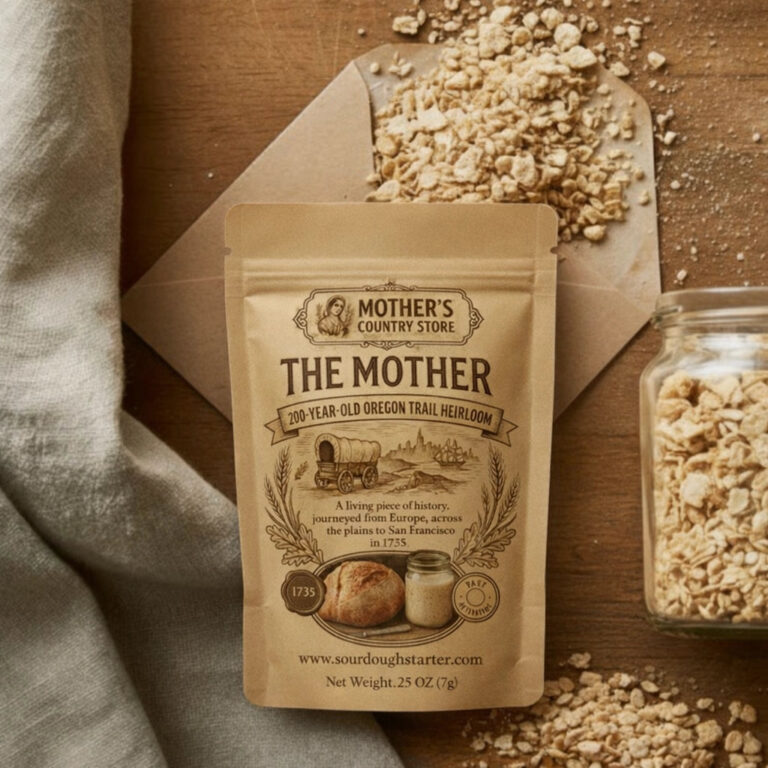
What am I receiving in the packet?
Open the envelope and pour the dehydrated starter flakes into a clean jar.
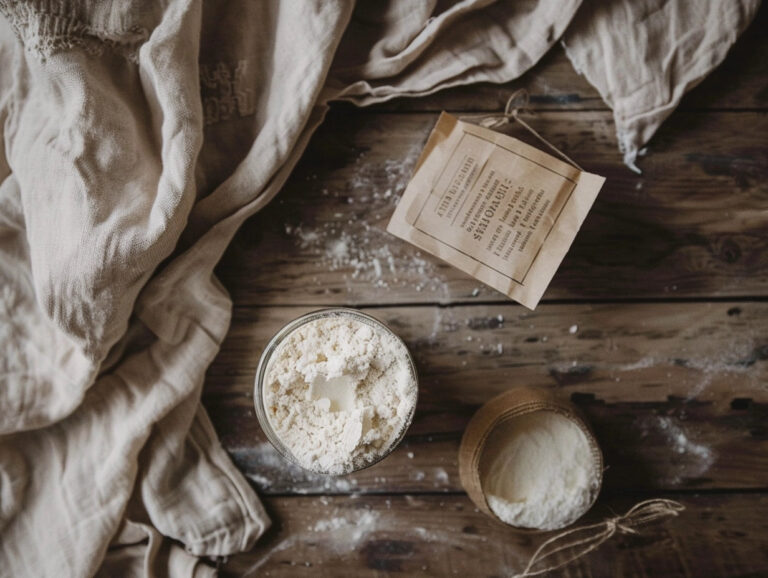
You’re ready to activate once you have flour, warm water, and a loose cover.
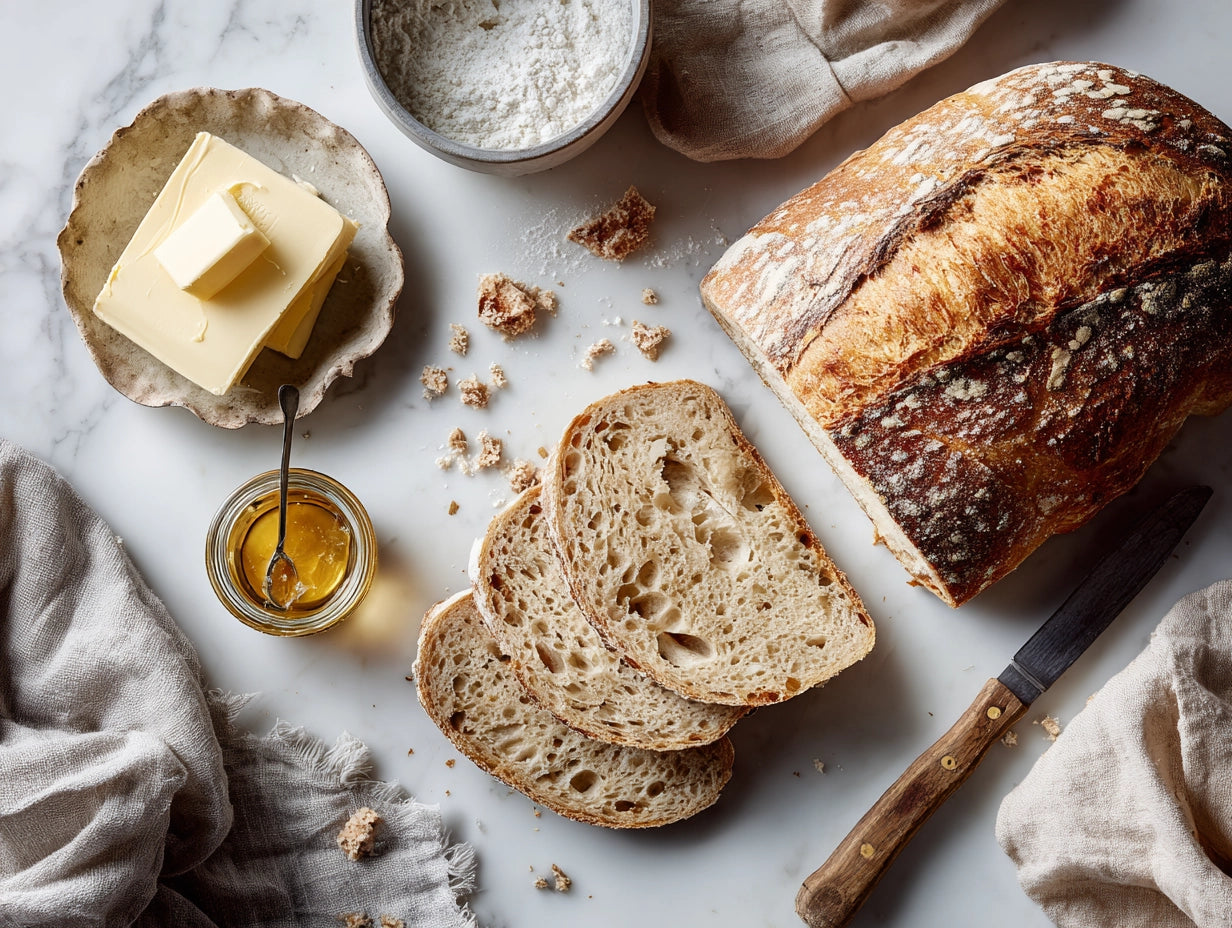
Let me guess. You want that first crackle, that proud little ear, that “I made this” moment.
Here’s the part no one says out loud:
Half the attempts… don’t make it.
The quiet truth? You don’t have to start from scratch.
Begin with a heritage culture that wakes up fast, rises reliably, and lets you bake real bread - sooner.
Ask. Stir. Wait. Bake.
Open the envelope and pour the dehydrated starter flakes into a clean jar.
You’re ready to activate once you have flour, warm water, and a loose cover.
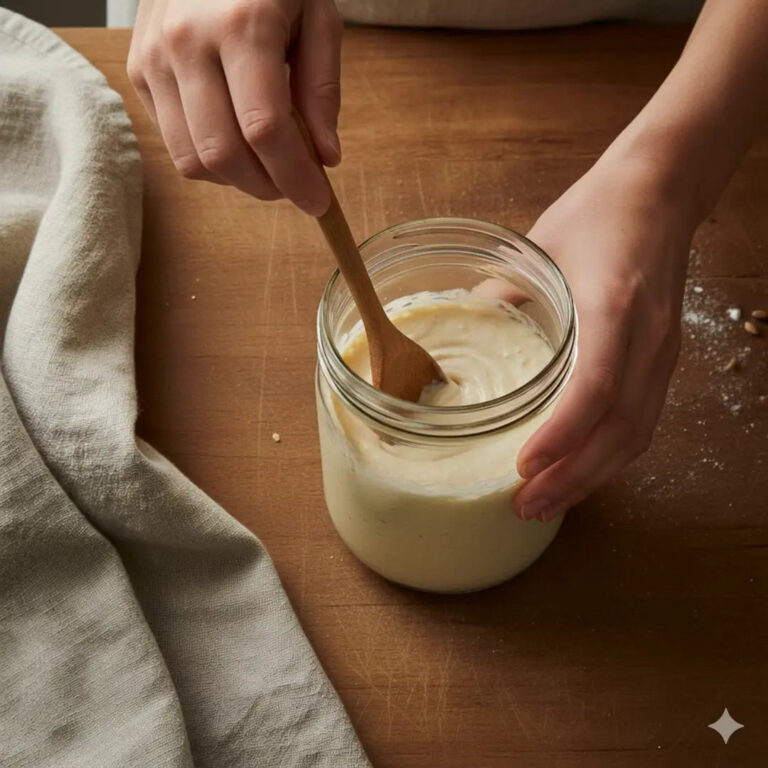
Mix the flakes with warm water and flour, stir well, and cover loosely. Let it rest at room temp - your first bubbles usually show within 12–24 hours.

Feed it again on the schedule (discard if needed), keeping the jar warm. In 24–48 hours you should see bubbles, a tangy aroma, and noticeable rise (often doubling).
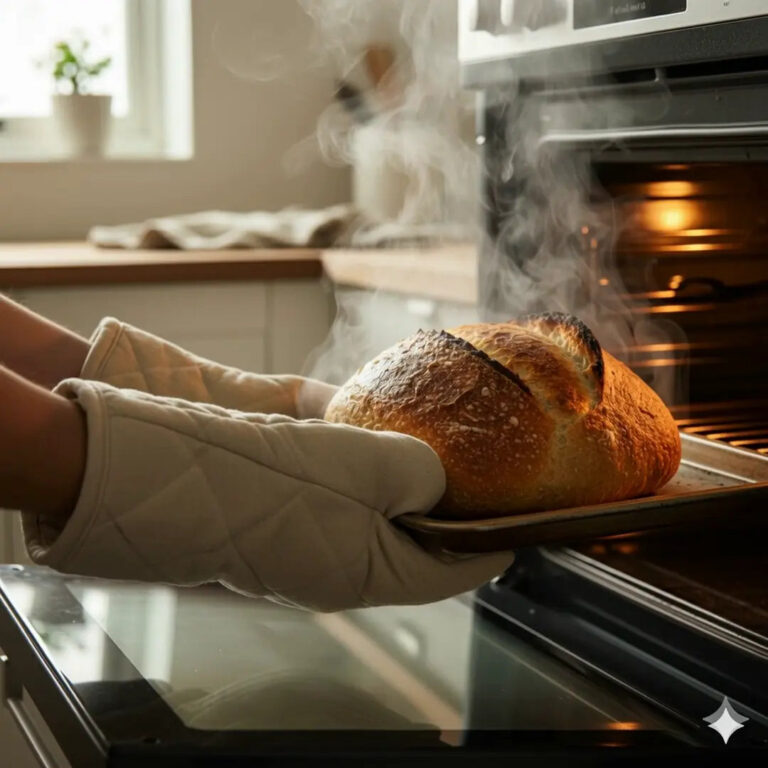
Bake when your starter reliably rises after a feeding (ideally doubles within 4–8 hours). Use it to mix dough, let it ferment overnight, shape, proof, and bake.
Step 1 — Rehydrate. Stir your dehydrated starter into equal parts flour and warm water. Cover loosely and leave it on the counter.
Step 2 — Feed daily. Once a day, discard most of the mixture and feed it fresh flour and water in equal parts. Watch for bubbles.
Step 3 — Bake. When it doubles within 4–8 hours and smells pleasantly tangy, it’s active and ready for your first loaf — usually about 72 hours from start.
Customers often get faster confidence and fewer failed attempts thanks to clear activation steps and a predictable rise. Several highlight the emotional payoff: an actual ear, a crackly crust, and the “I made this” moment. Plus how fun it feels to bake with a heritage culture.

Three failed attempts. I almost gave up. This one worked exactly like the instructions said. My first loaf had an actual ear. I cried. I couldn't believe it.

My kids think baking with a starter whose family story dates back to 1736 is the coolest thing ever. During one baking sesh, we named our starter 'Grandma Edna.'

Was spending $12 per loaf at the bakery. Saved over $400 by baking my own. And mine's better.

I forgot to feed it for two weeks. It came right back to life. This is the starter for people who don't have their lives together.
Each batch is made in limited monthly releases. Most starters activate in 48–72 hours. If yours does not activate after 72 hours while you follow the guide, contact us within seven days of delivery to choose a free replacement or refund. A photo helps but is optional.
Nope. If you can stir water into flour, you can do this. Our instructions assume zero experience and, if you need any additional help, reach out and let's see what we can do.
All-purpose or bread flour works great to start. We include simple ratios and a schedule so you don’t overthink it.
Our starters lived through wars, migrations, famines, and everything else that happened for the past few centuries. It can survive your kitchen. If something goes wrong, let us know and we'll send another packet free.
About 15 minutes of actual work spread across 3 days. Most of the time is waiting.
There isn't one. We hope you love it so much you try our other heritage starters someday. That's it.
We cannot accept physical returns of food-based cultures. If a starter has not activated after 72 hours while you followed the included instructions, contact support@motherscountrystore.com within seven days of delivery. Choose a free replacement or a refund. A photo is highly encouraged for troubleshooting but optional. Mold, contamination, or heat damage after delivery is excluded unless shipping or packaging caused the issue. Contact us promptly about a damaged, incomplete, or incorrect order.
Email: support@motherscountrystore.com | Phone : (702) 482-8691